-

 top seller
dynamic skin recovery spf 50 moisturizer
AGE-fighting SPF moisturizer
Rated 4.8 out of 5 stars based on 608 reviews 4.8 608 reviewsRegular price From $45.00Regular priceUnit price per -
skinperfect primer spf 30
illuminating SPF make-up primer
Rated 4.7 out of 5 stars based on 1474 reviews 4.7 1474 reviewsRegular price $94.00Regular priceUnit price per -

 award winner
invisible physical defense mineral sunscreen spf 30
physical sunscreen for all skin tones
Rated 4.4 out of 5 stars based on 467 reviews 4.4 467 reviewsRegular price $79.00Regular priceUnit price per -
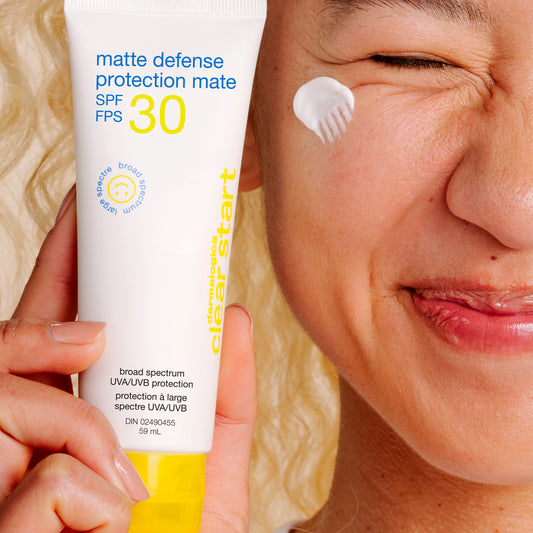
matte defense spf 30
mattifying moisturizer with SPF
Rated 4.5 out of 5 stars based on 615 reviews 4.5 615 reviewsRegular price $48.00Regular priceUnit price per -
protection sport
water-resistant, broad spectrum sun protection
Rated 4.7 out of 5 stars based on 226 reviews 4.7 226 reviewsRegular price $72.00Regular priceUnit price per -
porescreen spf 40
sun care + pore care
Rated 4.6 out of 5 stars based on 511 reviews 4.6 511 reviewsRegular price $87.00Regular priceUnit price per -
prisma protect spf 30 moisturizer
light activated skin defense
Rated 4.6 out of 5 stars based on 85 reviews 4.6 85 reviewsRegular price From $26.00Regular priceUnit price per
Your cart
${ promo.redemption.cart_title }
${ product.title }
${ promo.redemption.cart_title_2 }
2x points
3x samples
${ product.title }
${ crossSell.accordion_heading }
${ csItem.product.title }
add these to your routine

dynamic skin recovery spf 50 moisturizer

special cleansing gel

daily microfoliant exfoliator

discover healthy skin kit